
Enhancing Your Comfort
We conduct thorough inspections of heating and cooling systems to evaluate efficiency ratings and explore potential energy savings for homeowners.
Alberta Go Green Energy Assessment Services Inc. is dedicated to providing next level HVAC assessments that enhance energy efficiency for homeowners throughout the region.

Our Green Mission
Who We Are
Alberta Go Green Assessment Services Inc. excels in HVAC assessments and sales. We conduct thorough inspections of heating and cooling systems to evaluate efficiency ratings and explore potential energy savings for homeowners.
Services
HVAC AssessmentsOur HVAC assessments begin with a full visual inspection of your heating and cooling equipment. We then complete A.F.U.E. efficiency calculations to determine the performance of your current system and identify the potential natural gas and electricity savings available by upgrading to high‑efficiency furnaces and air conditioners.
Using today’s commodity prices, we project your estimated savings over monthly, yearly, and 10‑year timelines, giving you the information you need to make confident, informed decisions about your home’s comfort systems.
Due to high demand, assessments are scheduled by postal code, allowing us to serve as many homes as possible within each area.
All assessments are free of charge. If you would like to book an appointment outside of the areas currently being serviced, a $100 appointment fee will apply.
Book your appointment today with one of our friendly efficiency advisors and discover the benefits of high‑efficiency, power‑vented furnaces—along with any programs or incentives you may qualify for.

FURNACES
A furnace uses energy to create and distribute heat throughout your home. The more heat it can deliver from the energy it consumes, the higher its efficiency. This is the core idea behind furnace performance.
Modern furnace manufacturers design systems that not only burn fuel more effectively but also use minimal electricity to power the blowers that move warm air through the home. Today’s high‑efficiency furnaces operate at over 90% efficiency, meaning more than 90% of the fuel consumed is converted directly into usable heat.
By comparison, many older standard furnaces operate at only 50–60% efficiency, allowing a significant portion of energy to be lost through the exhaust system. Upgrading to a high‑efficiency model can dramatically reduce energy waste, lower utility bills, and improve overall home comfort.
HOT WATER HEATERS
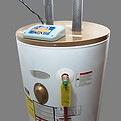
Standard hot water heaters are often the most economical option for homeowners, offering a lower up‑front cost compared to tankless systems. Because they store a large volume of heated water, they are well‑suited for steady, high‑demand use, making them a reliable choice for busy households.
These systems are commonly referred to as conventional water heaters or CV tanks. Their capacity is measured in gallons, with traditional models ranging from 20 to 100 gallons. The most popular sizes—40, 50, 60, and 80 gallons—typically provide enough hot water for families of four to six people, depending on usage patterns.
Standard hot water tanks remain a practical, cost‑effective solution for many homes, especially where consistent hot water availability is a priority.

AIR CONDITIONERS
Think an air conditioner is a luxury you can’t afford? With the right system, it can actually help lower your utility costs. Choosing a high‑efficiency air conditioner ensures you get maximum cooling while using less energy.
High‑efficiency units typically have a SEER rating of 14.5 or higher. Systems in this range often use advanced components such as more efficient compressors and variable‑speed air handlers or furnaces, allowing them to cool your home more effectively while consuming less electricity.
Upgrading to a high‑efficiency air conditioner can reduce energy waste, improve comfort, and make cooling your home far more affordable over the long term

HUMIDIFIERS
When temperatures drop, the outdoor air naturally holds far less moisture. Once that cold, dry air is pulled into your home and heated by your furnace, the relative humidity drops even further. The result is the classic Alberta winter experience: dry skin, irritated sinuses, cracking wood, and those annoying static shocks that seem to follow you everywhere.
Low humidity isn’t just uncomfortable — it can also make your home feel cooler than it actually is, causing your furnace to run more often and increasing energy use.
How a Whole‑Home Humidifier Helps
A properly sized whole‑home humidifier adds controlled moisture back into your air, helping you:
• Reduce static electricity
• Improve comfort and protect your skin and sinuses
• Prevent cracking in hardwood floors and furniture
• Make your home feel warmer without turning up the thermostat
• Improve overall indoor air quality
When paired with an efficient HVAC system, balanced humidity can make a noticeable difference in comfort and energy savings throughout the winter.
OVERHEAD HEATER
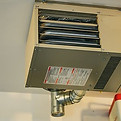
Tired of the cold Alberta winters? Make this year more comfortable with a overhead heater. Whether you’re tackling projects, storing tools, or simply trying to avoid that icy blast every time you step outside, a heated garage keeps your space usable all winter long. Don’t let the cold slow you down or stop you from getting the job done.
Why Heat Your Garage/Work Shop?
A properly installed garage heater offers benefits far beyond comfort:
• Keeps your garage warm and functional all winter
• Protects tools, vehicles, and stored items from extreme cold
• Reduces wear and tear on your vehicle during cold starts
• Makes home workshops and hobby spaces usable year‑round
• Adds convenience and comfort to your daily routine
High‑Efficiency Options
Modern garage heaters are designed to be efficient, reliable, and cost‑effective. With the right unit, you can enjoy consistent heat without a major increase in utility costs — especially when paired with proper insulation and an efficient HVAC system
TANKLESS WATER HEATER
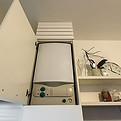
Although less common than traditional hot water tanks, tankless water heaters are becoming increasingly popular as an energy‑efficient way to supply hot water. As the name suggests, a tankless system heats water without using a storage tank.
While the initial cost is higher than a standard hot water tank, tankless systems offer several advantages. Because they don’t store and continually reheat a large volume of water, they carry a much lower risk of leaks or flooding and can help reduce utility costs. Tankless heaters provide continuous hot water on demand and can lower energy consumption by up to 30%, depending on usage and home configuration.
Important: Tankless hot water heaters solve a very specific need and are not recommended for every home or situation.
Speak with an efficiency advisor to determine whether a tankless system is suitable for your home and whether it aligns with your hot water demands, budget, and long‑term goals.